The Servant King Off the Beaten Path
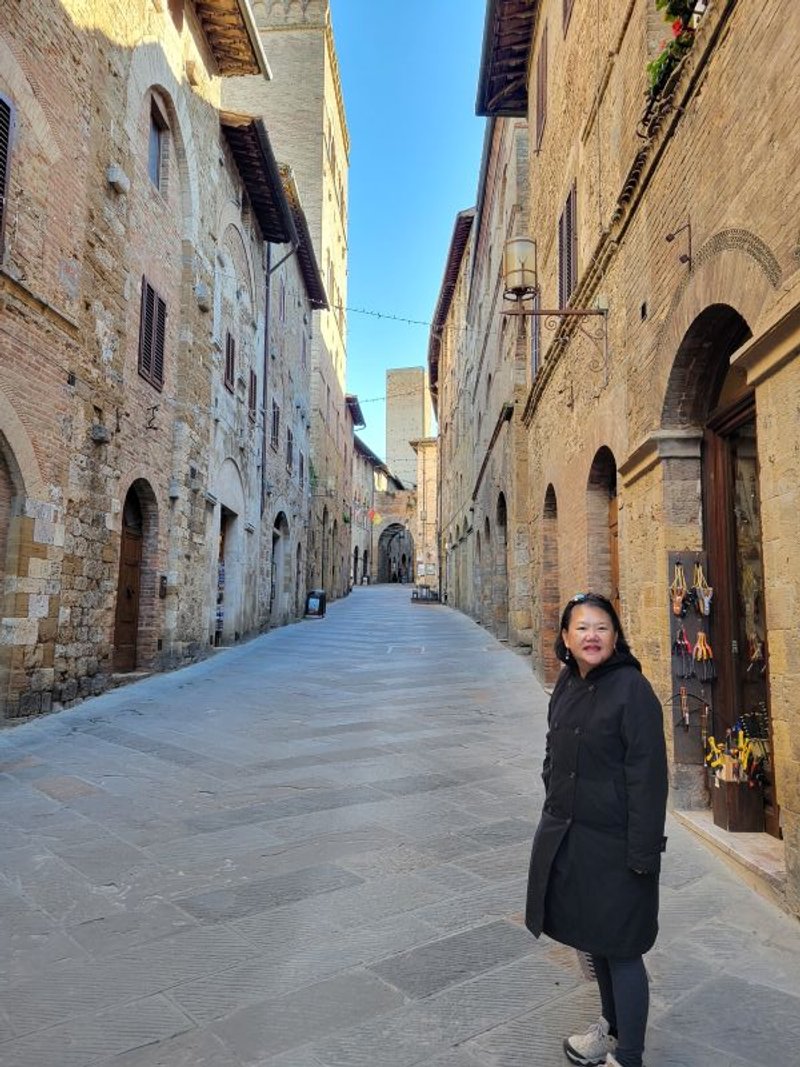
Lift up your heads, you gates;
be lifted up, you ancient doors,
that the King of glory may come in. (Ps. 24:7)
"...Soon afterward he went to a town called Nain, and his disciples and a great crowd went with him. As he drew near to the gate of the town, behold, a man who had died was being carried out, the only son of his mother, and she was a widow, and a considerable crowd from the town was with her. And when the Lord saw her, he had compassion on her and said to her,“Do not weep.” Then he came up and touched the bier, and the bearers stood still. And he said, “Young man, I say to you, arise.” And the dead man sat up and began to speak, and Jesus gave him to his mother. Fear seized them all, and they glorified God, saying, “A great prophet has arisen among us!” and “God has visited (helped) his people!” (Luke 7:11-16, ESV)
Dear Friends,
This new year, Jesus is knocking on the gates of our hearts, homes, and nations, so that the King of Glory may come in! If only the mighty king enters, he wouldn’t bend to help us, the helpless. If only the servant comes, he wouldn’t possess the authority to transform our lives and situations. But when the Servant King arrives, he transforms our lives, and the lives of the least, the last, and the lost.
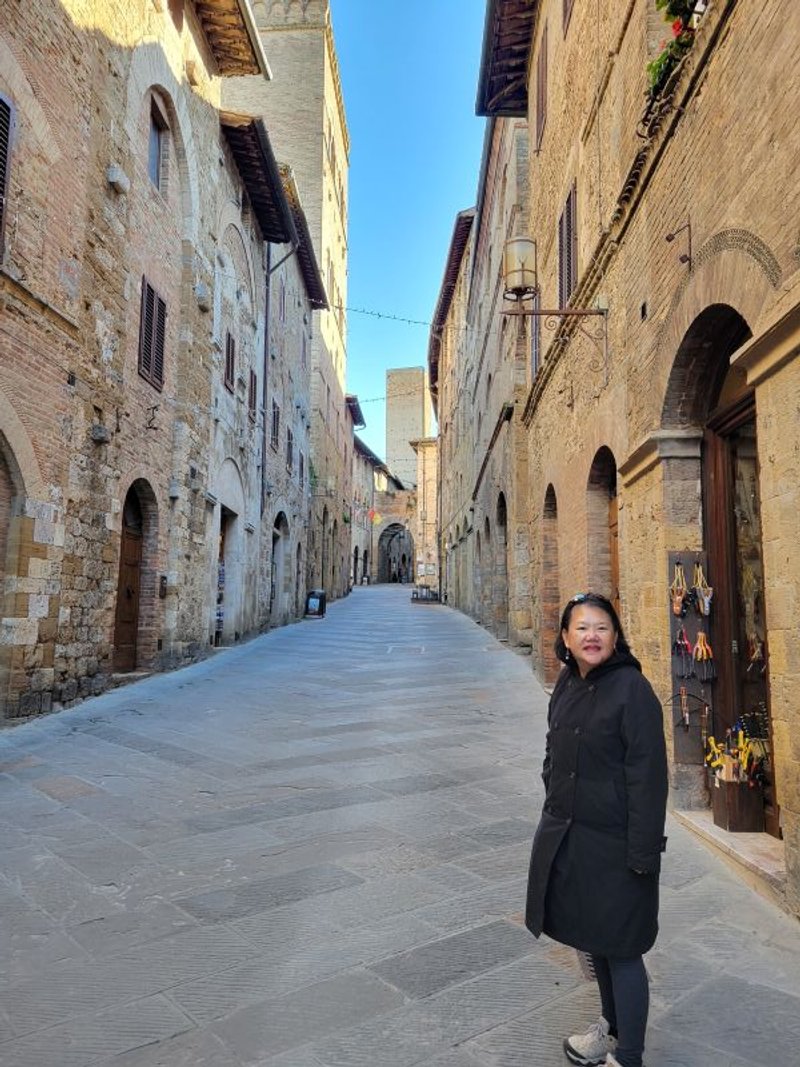
What happens when Jesus the Servant King comes in through our gates? In Luke 7, Jesus enters the gate of Nain, an obscure off-the-beaten-path town mentioned nowhere else in the Bible. No one goes on business to Nain. But Jesus purposed to go where others do not go. He purposes to seek and see us when no one else does. As Jesus arrived at the gate of Nain, the first thing he saw was a widow whose only son had died. He saw her who was all alone and vulnerable in the world without a male protector or provider in the first century Roman empire.
But even in the big crowd of fans, Jesus saw only her. It was Jesus who initiated. No one asked Jesus for help. Nobody asked Jesus to do anything. No one’s faith was at work. The Lord saw. Even when we don’t know to reach out, we have a God who sees us. And when Jesus saw her, he was moved with compassion, literally meaning a gut-wrenching “suffering with.” His heart suffered with and for her.
When Jesus saw the weeping widow, he said, “Don’t cry.” This is a very cruel insensitive thing to say unless you can change the situation. But because it was the Lord who saw her, he not only had pity. He had both pity and power. Jesus’ compassion is proactive, not passive. Again, Jesus took the initiative to touch the bier, which in that culture made him unclean. But when people are in need, Jesus did not care about social rules.
He began to address the corpse, “Young man, I say to you, arise.” At the power of those simple words, the dead man sat up talking. It was Jesus’s first time to raise the dead. He has power over death. Faith is not a prerequisite for God’s power. Jesus moved by compassion, returned the young man to his mother.
What was the people’s response? Those who saw were filled with awe (fear). They were traumatized by this power even if they then rejoiced. They recognized the hand of God and glorified him, declaring, “God has visited (help) his people.” He was the Servant King who has come to visit and help the people of Nain.
Jesus our Servant King has come to help us.
Kings take the highway. But our Servant King takes the off-the-beaten-path to overlooked places that other kings wouldn’t go—to seek us out.
Kings make triumphal marches into city gates with captives-of-war in tow. But the Servant King sets the captives free. Jesus chose to raise the dead for the first time for the most insignificant person in an insignificant town,
Kings have power. But the Servant King has both compassion and power.
Kings are seen. But the Servant King sees the lowliest. When he sees, he is moved to help the powerless.
Kings have passion. But the Servant King has compassion. He suffers with and for us.
Kings wait to be served. But the Servant King initiates to serve.
Because Jesus the Servant King entered the gate of an obscure town, the people of that town declared, “God has come to help his people.” This is why we preach the Gospel and plant churches among the unreached peoples and in places that are off the beaten path. The easy popular places have been well trodden by the Gospel. It is the hard places that remain. Like Jesus, he calls us to travel the off-beaten-paths so that unreached peoples, neighborhoods, and towns who have not known Him will declare, “God has come to visit and help us his people.”
Blessings,
Mary
Dr. Mary Ho, DSL
All Nations International, Inc. | International Executive Leader
Staying Connected or Learning More
Help share this and other blogs with your friends and ministry leaders! It would also be a huge help if you could please follow us on social media via the links below! Thank you!
If you would like to receive leadership updates, link here to stay current on All Nations International’s news and prayer efforts! To learn more about All Nations today, visit: www.allnations.international!
Are you wondering if you are wired to go? This area on our web site will help you!
We have plenty other resources (devotion, book club, events) and a monthly global prayer for the neglected! You are welcome to join us.
Give today to see the neglected globally reached — the least, the last, and the lost!
www.allnations.international
Reaching the neglected globally — the least, the last, and the lost since 1993.